Plant-Based Protein Is Taking Over Gyms — Here's Why Everyone's Switching
Walk into almost any gym today and you'll notice it: the shaker bottles are changing. Whey is no longer the only name on the shelf. Here's what's driving the shift toward plant-based protein — and why it's more than a passing trend.

For decades, the gym had one undisputed protein king: whey. It was cheap, it mixed easily, and it was everywhere. If you trained, you drank it. The question was never whether to use whey — only which flavour.
That's no longer true. Across gyms, training apps and nutrition forums, more and more active people are reaching for plant-based protein instead. This isn't a niche choice for vegans anymore — it's a mainstream shift, and it's happening fast. So what changed?
Key takeaway
Plant-based protein has crossed over from "alternative" to "default option" for a large group of gym-goers — driven by easier digestion, cleaner formulas, sustainability, and a new wave of products that finally taste good and work well.
The shift isn't about ideology — it's about results
The old assumption was that plant-based protein was something you settled for if you avoided animal products. Today, plenty of people switching to it still eat meat, fish and dairy. They're not making a moral statement. They're chasing better outcomes from their training and their day.
Three things changed at once:
- The products got dramatically better. Early plant proteins were chalky, hard to mix and limited in their amino acid profile. Modern blends combine sources so they deliver a complete amino acid profile — and they actually taste good.
- The digestion problem got solved. Many people quietly struggled with whey: bloating, stomach discomfort, that heavy feeling after a shake. Plant-based options tend to sit much lighter.
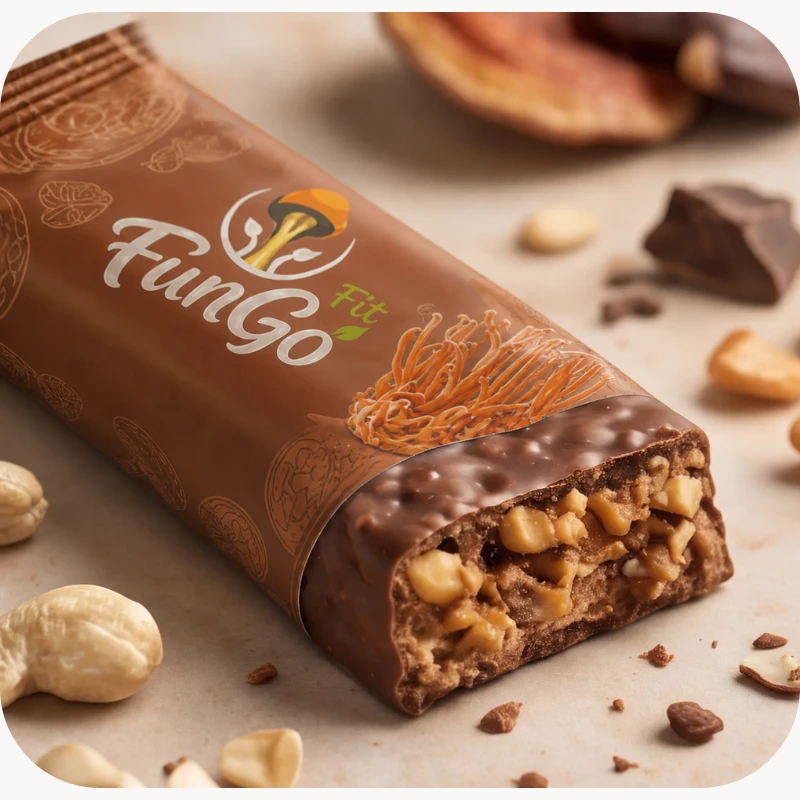
- New formats arrived. Protein isn't just a powder anymore. Bars, in particular — including mushroom-based ones — made high-quality protein something you can carry in a gym bag without a shaker.
Why active people are walking away from whey
Whey isn't "bad." It's a well-studied, effective protein. But it carries some real friction points that the gym community has grown tired of:
1. Digestion and comfort
This is the number-one reason cited by people who switch. Whey is dairy-derived, and a surprising share of adults don't tolerate it well. Bloating after a post-workout shake is common enough that many people simply assumed it was normal. Plant-based protein — and mushroom protein in particular — is often noticeably easier on the stomach.
2. Cleaner labels
Open a typical whey tub and the ingredient list can run long: artificial sweeteners, gums, thickeners, flavour systems. The modern gym-goer reads labels. They want protein that looks like food, not a chemistry set. This is where simpler, plant-based formulas have a clear edge.
3. Sustainability
Dairy protein has a heavier environmental footprint than most plant sources. For a generation of athletes who care where their food comes from, that matters — and it makes the switch feel like an upgrade rather than a compromise.
"The shift toward plant-based protein isn't people giving something up. It's people discovering they don't have to."
"But can you actually build muscle on it?"
This is the question that holds most people back — and it deserves a straight answer. For years, the worry was that plant protein couldn't support muscle growth the way whey could.
Here's what actually matters for building muscle:
- Total daily protein intake — hitting your overall target across the day is far more important than the source of any single serving.
- A complete amino acid profile — your body needs all the essential amino acids, especially leucine, to trigger muscle repair.
- Consistency — the protein you'll actually take every day beats the "optimal" protein you skip.
Modern plant-based protein, when the sources are blended intelligently, ticks all three boxes. The idea that you "can't grow" without whey is outdated. We go deeper into this in our dedicated guide on plant-based protein for muscle growth.
Whey vs plant-based protein: an honest comparison
No source is perfect for everyone. Here's a fair side-by-side so you can decide what fits your training and your body:
| Factor | Whey protein | Plant-based protein |
|---|---|---|
| Amino acid profile | Complete by default | Complete when sources are blended |
| Digestibility | Can cause bloating for many | Generally lighter and easier |
| Ingredient list | Often long, with additives | Tends to be simpler, food-first |
| Sustainability | Higher footprint (dairy) | Lower footprint |
| Formats available | Mostly powders | Powders, bars, snacks |
| Best for | Those who tolerate dairy well | Most active people, especially on the go |
If you want a deeper breakdown of the trade-offs, our article Ditch Whey. Go Fungal. walks through exactly how plant-based options stack up for active people.
Where mushroom protein fits into the picture
Here's where the story gets genuinely interesting. "Plant-based" is a broad label — and not all plant proteins are equal. One of the most promising newcomers isn't a plant at all in the strict sense: it's mushroom protein, made from mycelium.
Mycelium — the root-like network that mushrooms grow from — produces protein that is naturally complete, easy to digest, and grown with a remarkably small environmental footprint. It's the reason mushroom-based protein bars have started showing up in gym bags alongside the usual powders.
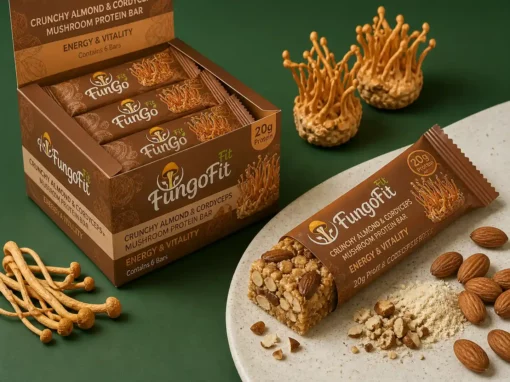
This is the approach behind FungoFit. Instead of asking you to choose between performance and comfort, mycelium protein aims to deliver both — with the convenience of a bar you can eat anywhere. If you're curious about the science, our explainer on what mycelium protein bars actually are breaks it down clearly.
Should you switch?
You don't have to overhaul your nutrition overnight. The smartest way to find out if plant-based protein works for you is simple: try it for two to three weeks and pay attention to how you feel.
- Do you feel lighter after a shake or a bar?
- Is your recovery the same or better?
- Is it easier to actually hit your protein target each day?
For most people, the honest answer to all three is yes. That's exactly why the shift is happening — not because of hype, but because the experience speaks for itself.
Try the protein that's changing gym bags
20g of plant-based protein. Mycelium science. No added sugar. See what easy, high-performance protein feels like.
Shop FungoFit →Frequently asked questions
Is plant-based protein as good as whey?
For most goals, yes. When plant sources are blended to deliver a complete amino acid profile, plant-based protein supports muscle growth and recovery comparably to whey — and it's often easier to digest.
Can you build muscle with plant-based protein?
Absolutely. Muscle growth depends mostly on total daily protein intake and a complete amino acid profile. A well-formulated plant-based protein delivers both.
Why is plant-based protein taking over gyms?
Active people are switching for easier digestion, cleaner ingredient lists, lower environmental impact, and convenient new formats like mushroom-based protein bars.
What is mushroom (mycelium) protein?
It's protein made from mycelium — the root network of mushrooms. It's naturally complete, easy to digest, and sustainable to grow, which makes it ideal for high-quality protein bars.